
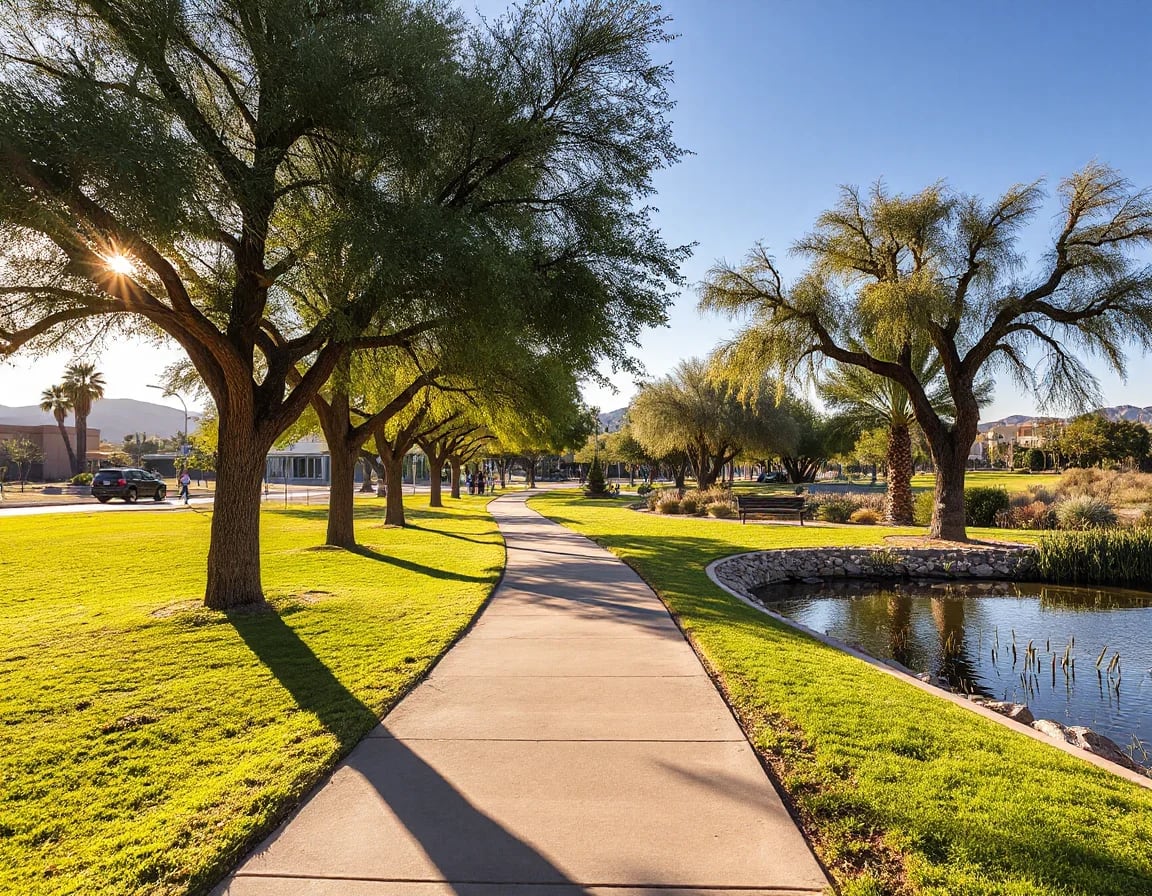
Choosing a Tempe neighborhood is about more than a map pin or a bedroom count. The daily rhythm around a home—how you get around, where you spend time outdoors, what changes after sunset, and how the route feels at rush hour—can reveal whether a location fits your priorities. Use these seven clues to compare areas with confidence before making an offer.
Start With the Rhythm of an Ordinary Weekday
A neighborhood can feel entirely different at 8 a.m. on Tuesday than it does during an open house on a quiet weekend. In Tempe, routines are shaped by major employment centers, Arizona State University, light-rail access, arterial roads, neighborhood parks, and the steady movement around Mill Avenue and Tempe Town Lake. Before narrowing your search, picture an ordinary day: leaving home, picking up groceries, meeting a friend, taking a walk, or returning after an evening event.
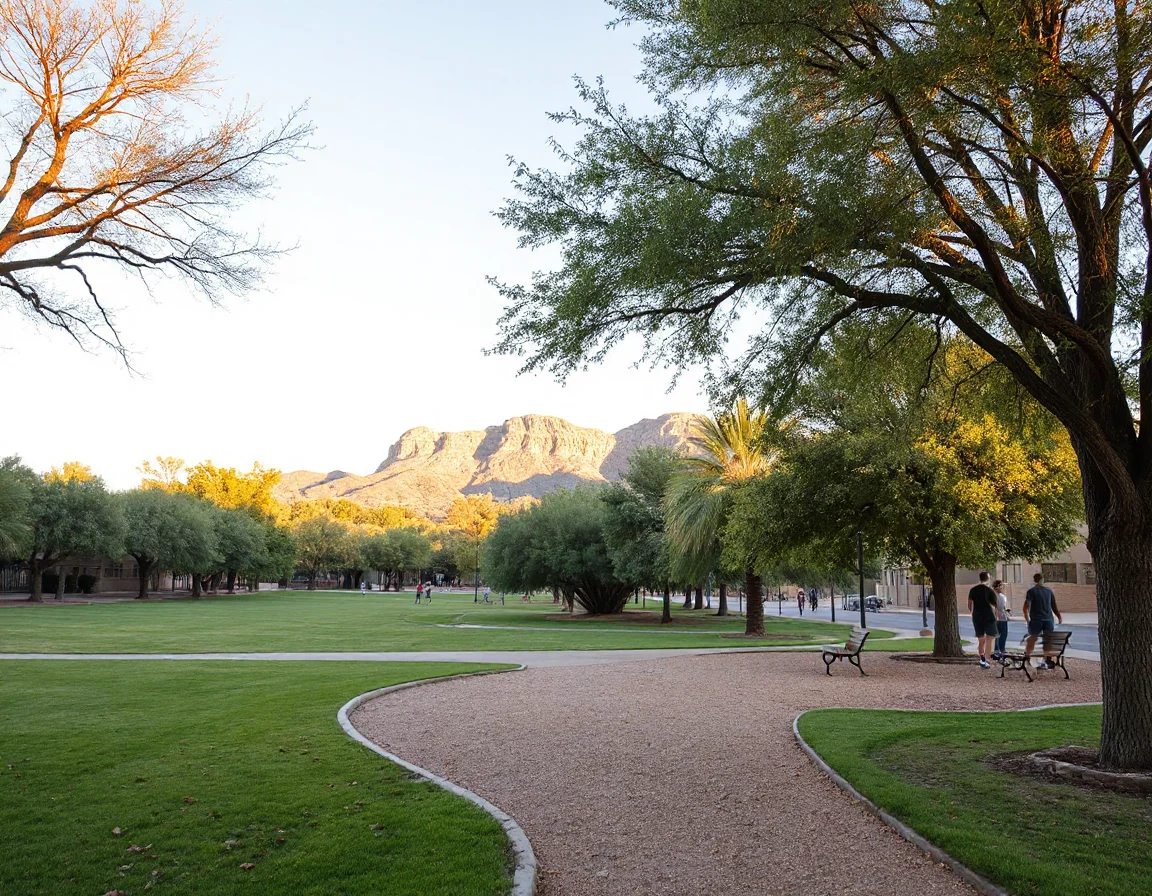
Clue one: test the commute at the time you would actually travel. A route that appears simple on a map can have a very different pace during morning and afternoon traffic. Drive or use transit during a realistic time window, then try the route in reverse. Notice turn lanes, access to major streets, parking patterns, and whether you have more than one practical way to reach destinations you visit often.
Clue two: measure convenience in minutes, not miles. Tempe’s compact geography means a short distance can connect to a surprisingly broad range of amenities, but the best fit depends on what you use regularly. Check the time to a grocery store, pharmacy, fitness facility, park, library, medical services, and preferred recreation areas. A few extra minutes may be inconsequential for one buyer and a daily frustration for another.
A useful neighborhood visit has a purpose: make one everyday errand, travel one regular route, and spend ten unhurried minutes outside the home’s immediate block.
Also pay attention to the texture of the trip. Some buyers value quick access to regional corridors such as Loop 202, Loop 101, U.S. 60, or Interstate 10. Others may prioritize a route with sidewalks, bike connections, shade, or proximity to transit. Neither approach is universally better; the goal is to identify the tradeoffs that matter most to your own schedule.
Read the Blocks, Not Just the Listing Description
Tempe includes established residential streets, townhome and condominium communities, newer infill development, and areas where commercial activity is close at hand. A listing can tell you about a kitchen renovation or a covered patio, but the surrounding few blocks tell the longer story of how the location functions day to day.
Clue three: look for the movement around the property. Visit on more than one day if possible. Observe vehicle traffic, pedestrian activity, bike lanes, bus stops, nearby construction, parking availability, and how the street connects to the larger area. These are not signals to judge a neighborhood as “good” or “bad”; they are practical details that help you understand the setting and decide whether it aligns with your preferences.
Clue four: check the outdoor spaces you will genuinely use. Tempe offers access to trails, paths, parks, golf facilities, community programming, and the waterfront setting around Tempe Town Lake. During warmer months, shade structures, tree canopy, patio orientation, and the distance to a favorite walking route can matter as much as interior square footage. A home’s outdoor area should support the way you intend to spend time there, whether that means gardening, reading under a covered patio, or simply having an easy place to step outside.
When comparing homes, look beyond whether a park or path is technically nearby. Walk the route. Note crossings, lighting, the condition of sidewalks, and whether the destination feels convenient at the time of day you are likely to go. This small exercise often clarifies the difference between an amenity that sounds appealing and one that becomes part of your routine.
Explore Tempe area information
Consider Noise, Activity, and Event Timing
Tempe is active by design. Sporting events, performances, campus calendars, lakefront activities, construction projects, and seasonal gatherings can bring energy and changing traffic patterns to different parts of the city. That vibrancy can be a meaningful benefit, but it is worth understanding how it relates to a specific address.
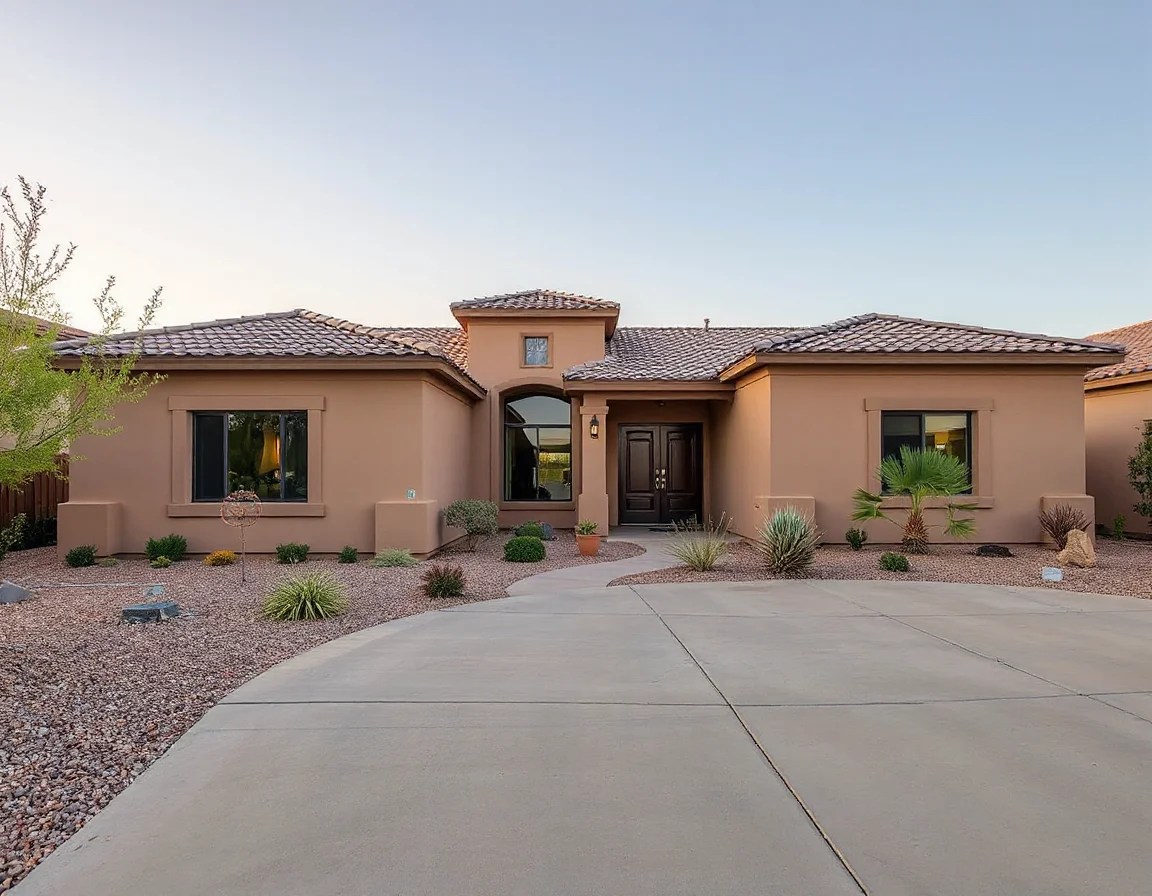
Clue five: listen to an address at different hours. Stand outside for a few minutes in the morning, late afternoon, and early evening. Listen for road noise, train activity, aircraft patterns, landscaping crews, and the natural sounds of a lived-in community. If the property sits near a major corridor, an event venue, commercial area, or transit line, ask for practical information and visit during an active period rather than relying on a single showing.
Clue six: review the calendar around the location. Event schedules can affect travel times and parking in particular areas. This does not automatically make a home less desirable; it simply gives you more information for planning. A location near recurring activities may offer convenient access to things you enjoy while requiring a different approach on certain dates. Buyers who understand that rhythm before closing tend to feel more prepared after move-in.
For attached homes and planned communities, the same principle applies inside the property lines. Read the association documents, budget, rules, reserve information, and maintenance responsibilities carefully. HOA fees can cover meaningful services and amenities, but the details differ substantially from one community to another. Knowing what is maintained, what is restricted, and what costs may be anticipated is an important part of comparing the full monthly picture.
Match the Home Type to the Way You Want to Live
Tempe housing choices range from condos near central activity to single-level homes, townhomes, and properties with more flexible indoor-outdoor space. Market conditions, inventory, financing terms, and property condition will shape your options, but the most useful starting point is still a clear list of needs versus preferences.
Clue seven: separate “must work” from “nice to have.” Start with practical factors such as monthly payment comfort, parking needs, storage, maintenance time, room configuration, accessibility features that matter to you, and proximity to regular destinations. Then create a second list for preferences such as a pool, mountain views, a larger yard, an updated kitchen, or a particular architectural style. This distinction helps keep a search focused when multiple properties each offer different strengths.
It is also wise to look at the home through a future-use lens. Consider the age and condition of major systems, the layout’s adaptability, natural light at different times of day, utility costs, and whether planned improvements fit your budget. Joplin Realty’s boutique approach combines local neighborhood knowledge with real estate and mortgage perspective, helping buyers connect those property-level details to a clear financial plan rather than focusing only on the purchase price.
The best comparison is rarely house versus house alone. Compare each option against the same everyday checklist: travel time, recurring costs, maintenance, outdoor use, and the places you expect to visit most.
Turn a Tour Into a Better Decision
A thoughtful Tempe search is not about finding a universally perfect neighborhood. It is about finding a location and property that support your own daily routines, financial goals, and preferred pace of life. Give yourself permission to revisit promising areas, ask detailed questions, and take notes immediately after each tour while the impressions are still clear.
By testing a commute, running an errand, walking the nearby paths, listening at different times, reviewing community documents, and separating essentials from extras, you create a far more complete picture than any listing can provide alone. Those seven clues transform neighborhood selection from a quick impression into an informed decision—one grounded in how a Tempe home may work for you every day of the year.