

A down payment is only one line in a Scottsdale home-buying budget. Planning for inspections, lender fees, prepaid expenses, HOA charges, and the move itself can help you compare homes with a clearer picture of the cash needed before closing day. A thoughtful estimate early in the process can make the search feel more confident and far less surprising.
Look Beyond the Down Payment Before You Make an Offer
Buying a home in Scottsdale involves more than choosing a price range and calculating a down payment. The cash required to close can include several costs that are separate from the purchase price, and some are paid at different points along the way. Understanding those expenses before writing an offer helps buyers keep their budget flexible, evaluate loan options thoughtfully, and avoid relying on a last-minute estimate.
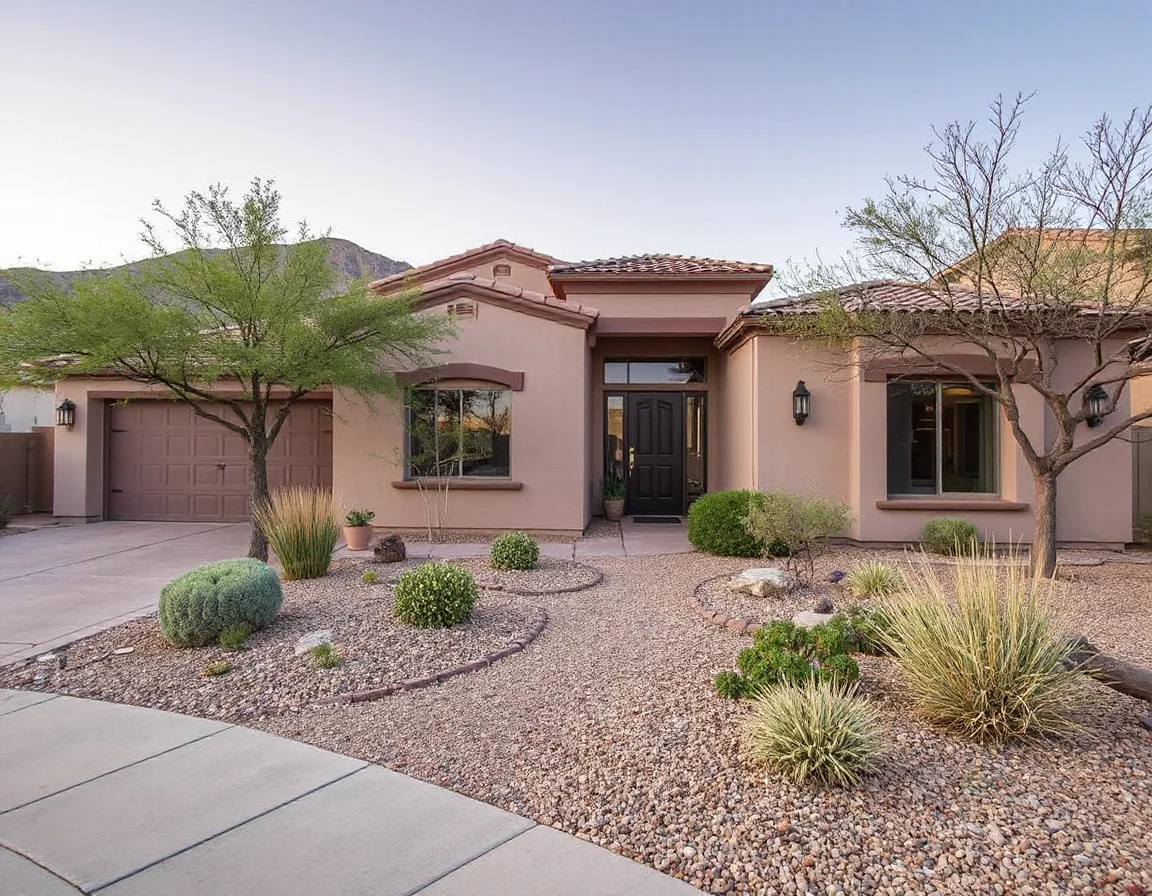
Costs vary based on the property, loan program, timing, and negotiated contract terms. A condominium with an active homeowners association may carry a different set of transfer documents and fees than a detached home. A newer home may have a different inspection focus than an older property, while a loan with a smaller down payment may affect mortgage insurance and reserves. The goal is not to predict every dollar perfectly on day one; it is to leave enough room in the plan for the expenses that commonly arise.
Joplin Realty’s broker background in both real estate and mortgage can be especially helpful when buyers are sorting through the relationship between loan estimates, property-specific charges, and the funds needed to close. Your lender provides the official loan disclosures, while your real estate professional can help you understand how local customs, HOA details, inspections, and contract negotiations fit into the larger transaction.
A purchase budget is strongest when it includes both a “cash to close” estimate and a separate reserve for moving, early repairs, and household setup after the keys are in hand.
1. Closing Costs and Lender Fees
Closing costs are the collection of charges associated with arranging the loan, verifying the property, preparing documents, and recording the transaction. These may include lender origination or underwriting charges, credit report fees, title-related services, escrow or settlement charges, recording fees, and applicable government charges. The exact mix depends on the lender, loan type, title company, purchase contract, and property location.
When comparing loan options, look beyond the interest rate alone. One lender may quote lower upfront fees but a different rate, while another may offer lender credits in exchange for a higher rate. Points, which are optional upfront fees paid to reduce the interest rate, can also change the total. A loan estimate is designed to help compare these items, so ask questions about every line that is unclear and review it alongside your expected length of ownership and monthly payment comfort level.
In Arizona transactions, buyers and sellers can negotiate certain closing expenses as part of the offer. Seller concessions may be permitted within the limits of the loan program and appraisal, but they are not automatic. In a competitive situation, the strength of the offer and the property’s condition can influence which requests make sense. Building a realistic closing-cost allowance into your initial plan gives you more options when it is time to negotiate.
2. Home Inspection, Specialty Evaluations, and Repairs
A professional home inspection is one of the most useful pre-closing expenses because it provides a detailed snapshot of visible conditions at the property. Inspectors commonly review accessible structural components, roofing, electrical systems, plumbing, heating and cooling equipment, appliances, and other major features. The inspection is not a guarantee or a repair quote, but it can identify questions worth investigating before the inspection period ends.

Depending on the property, buyers may also choose or need specialty inspections. In the Scottsdale area, this can include roof evaluations, sewer line scoping, pool inspections, HVAC assessments, termite inspections, or reviews by licensed contractors. Properties with wells, septic systems, solar equipment, guest structures, or extensive outdoor features may call for additional due diligence. Each service has its own cost, so it is wise to reserve funds beyond the general inspection fee.
The inspection period is also a decision-making window, not simply a list of flaws. Some findings may be routine maintenance, while others could affect budget, insurance, financing, or immediate use of the home. Buyers can ask for repairs, request a credit when appropriate, renegotiate, accept the condition, or cancel within the terms of the contract. Keeping a modest post-closing repair reserve can reduce pressure to address every non-urgent item before move-in.
Inspection costs are paid before closing, but they can protect the larger investment by giving buyers time to understand major systems and prioritize next steps.
3. Appraisal, Property Insurance, and Prepaid Expenses
An appraisal is typically required when financing is involved. The appraiser develops an independent opinion of value for the lender, using the home’s characteristics, condition, and comparable sales. Buyers commonly pay the appraisal fee as part of their loan costs. If the appraised value is lower than the contract price, the next step may involve a price adjustment, additional buyer funds, a challenge supported by relevant information, or another solution allowed by the contract and loan guidelines.
Insurance is another important item to price early. Lenders generally require homeowners insurance before closing, and the first premium may be due upfront. Coverage and premiums can differ based on the home’s age, construction, roof, deductible, claims history, and insurer. For condominiums and townhomes, review what the association’s master policy covers and what personal coverage may still be needed for the interior, belongings, liability, or loss assessments.
Buyers may also prepay certain recurring expenses at closing. These can include daily mortgage interest from the closing date through the end of the month, an initial homeowners insurance premium, and property tax reserves collected for an escrow account. These are not always “fees” in the traditional sense; many are advance payments for obligations that will come due later. Still, they affect the amount needed at closing and should be included in the lender’s cash-to-close estimate.
4. HOA Documents, Transfer Fees, and Community Costs
Many Scottsdale homes are within a homeowners association, particularly condominium, townhome, and planned community properties. HOA dues are separate from the mortgage payment unless your lender collects them in a particular arrangement, and they can cover different services depending on the community. Landscaping, exterior maintenance, building insurance, gates, common-area amenities, water, trash service, and reserve funding are examples of items that may or may not be included.
Before removing contingencies, review the HOA resale package and governing documents carefully. Buyers should understand the current dues, pending assessments, rental restrictions, architectural guidelines, reserve information, parking rules, pet policies, and any upcoming projects disclosed by the association. There may also be charges for document delivery, transfer processing, capital contributions, or other administrative items. These expenses vary by association, so they should be confirmed for the specific property rather than estimated from a neighboring community.
A monthly HOA payment can be easier to evaluate when viewed alongside what it covers. For example, a community fee that includes exterior maintenance or certain utilities may change the owner’s separate monthly costs. Comparing the complete housing expense—not just the advertised list price—creates a more useful picture of affordability.
5. Moving, Furnishing, and Your First Months of Ownership
The final category is easy to underestimate because it happens after closing, when attention naturally shifts from paperwork to keys. Moving services, utility deposits, internet setup, cleaning, window coverings, furniture, appliances, landscaping tools, and small repairs can add up quickly. A home that appears move-in ready may still need practical items such as new locks, smoke detector batteries, filters, shelving, or irrigation adjustments.
Consider making two post-closing lists: needs for the first week and projects for the first year. The first-week list might include moving, utilities, insurance contacts, safety checks, and essential household purchases. The first-year list may include cosmetic updates, landscaping changes, storage improvements, or larger upgrades that can be scheduled after you have lived in the space and understand how it functions day to day.
Keeping these funds separate from the down payment and closing costs can make the transition more comfortable. It also gives homeowners flexibility when an unexpected repair or maintenance item appears soon after closing. The right reserve amount is personal, but planning for one is a practical part of responsible homeownership.
Build a Clearer Scottsdale Buying Plan
A well-prepared buyer looks at the full financial picture: down payment, closing costs, inspections, appraisal, insurance, HOA charges, and the practical cost of settling into a new home. Getting estimates early does not take away the excitement of the search—it gives that excitement a stronger foundation. With a clear budget and careful review of property-specific details, buyers can focus on homes that fit both their goals and their complete financial plan.